
Your team

Meet the Cheek Filler Team

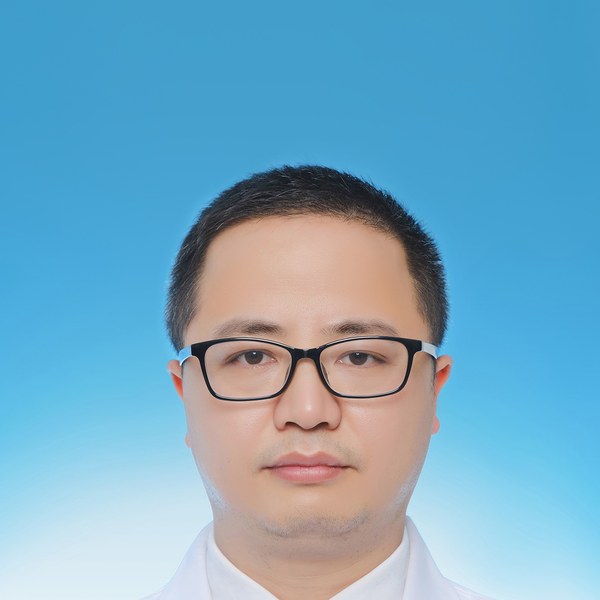
This site is led and medically reviewed by Ke He, MD, who assesses every midface before a plan is made and who is responsible for the medical content here. The other three physicians contribute what a cheek assessment draws on: the surgical standards of the center, the operative options where the problem is descent or a large deficit, and the dermatologic assessment of the skin and of anything that appears months after an injection.

Specialist profiles

Who reviews this content

Ke He

Ke He (何锞)

Deputy Director & Head of Skin & Laser Aesthetics · Attending Physician, Licensed Aesthetic Attending · Lead Physician of This Site

Midface assessment · volume loss against descent · injectable technique and vascular safety

Dr. Ke He is Deputy Director of the Plastic Surgery & Aesthetics Medical Center at Chongqing West District Hospital and head of its skin and laser aesthetic service — and she is the lead physician of this site. A core specialist formerly at the Plastic and Aesthetic Surgery Department of Xinqiao Hospital, affiliated with Army Medical University, she has worked on the clinical front line in skin laser and injectable aesthetics for more than 20 years, serving over ten thousand patients.

On this site her part is the assessment that comes before the material. She establishes which change is actually present in the midface — lost support with the tissue still in place, descent, laxity, or a structure that was always that shape — because only the first of those is answered by adding volume. She works from the position of the malar fullness and the behaviour of the skin rather than from how full the cheek looks, and she treats the possibility of over-filling as a clinical risk rather than a matter of taste. Where the honest answer is a lifting operation, a different specialty, or no treatment at all, she says so at the assessment rather than after a course of injections.

Clinical focus

  • Telling volume loss from descent before any material is discussed
  • Midface technique: which plane, which part of the cheek, and in what order
  • Vascular safety in an area where named arteries run close to the surface
  • Planning a course with a review point and a defined stopping condition
  • Advising against treatment where an injection cannot reach the problem

Academic roles & achievements

  • Member, Laser Medicine Group, Chinese Medical Association Plastic Surgery Branch
  • Member, Facial Rejuvenation Group, Chinese Medical Association Plastic Surgery Branch
  • Member, Chongqing Plastic Surgery Quality Control Center
  • Published 5 papers, holds 5 national patents, and introduced 2 new clinical techniques

The cheek is where the difference shows

A flattened midface and a descended one look alike in a photograph and are treated in opposite directions. Adding volume to a cheek that has dropped makes the face heavier rather than higher, and because that happens gradually across visits it is usually the patient who notices last. The assessment is the part of this treatment that does the most work.
Shaoliang Wang

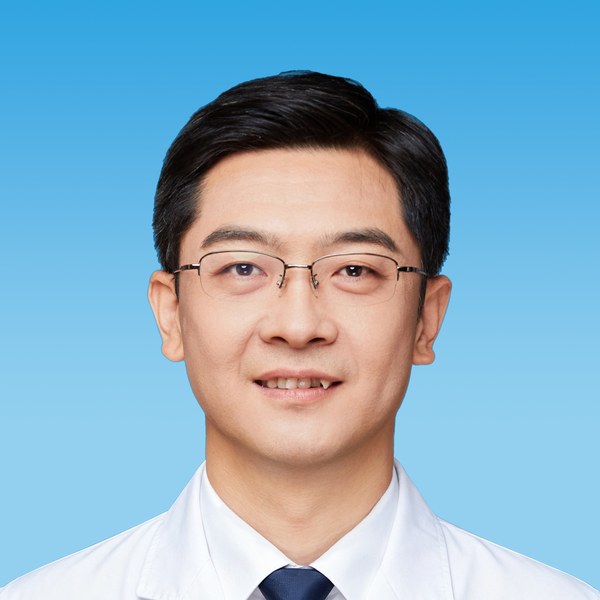
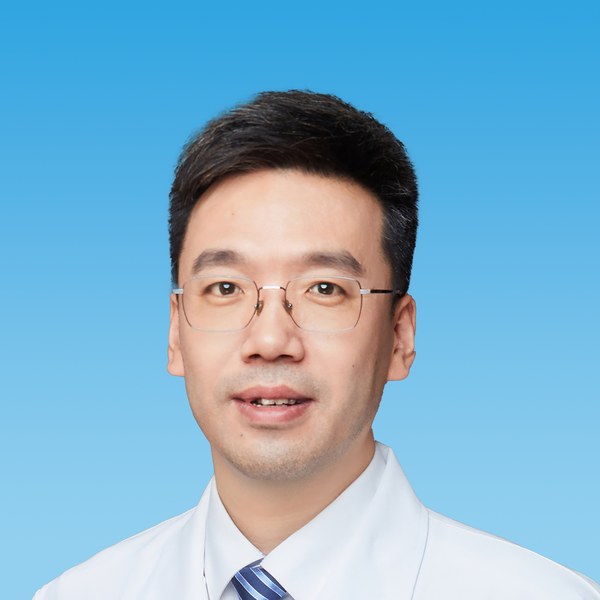
Shaoliang Wang (王韶亮)

Director, Plastic Surgery & Aesthetics Medical Center · Vice Chief Physician, Associate Professor, Doctor of Medicine

Center leadership · surgical standards and the surgical backstop

Dr. Shaoliang Wang is Director of the Plastic Surgery & Aesthetics Medical Center at Chongqing West District Hospital. Within the team he provides the surgical perspective and the tertiary-hospital backstop — the assessment when an operation is the honest answer, and the hospital-level care for the rare complication that needs it.

Within this site his part is the boundary. Where the midface has descended, where laxity rather than volume is the dominant change, or where a complication needs theatre-level care, his service is what the assessment hands over to.

Clinical focus

  • Center leadership and multidisciplinary case review
  • Surgical assessment when an operation is the honest answer to descent or excess skin
  • Hospital-based care for the rare complication that needs theatre-level management
Tongchun Mao

Tongchun Mao (毛彤春)

Deputy Director & Head of Aesthetic Surgery · Vice Chief Physician, Licensed Aesthetic Attending

Aesthetic surgery · lifting and fat transfer of the midface

Dr. Tongchun Mao is an aesthetic surgeon within the Plastic Surgery & Aesthetics Medical Center at Chongqing West District Hospital. Within the team his role is refinement and honest referral: he is the person who says so when an operation will do better than an injectable or a device.

Within this site his part is the honest alternative. When the cheek problem is descent rather than volume, or when the deficit is large enough that repeated injections are a poor plan, he is the person who judges what an operation or a fat transfer would change — and whether it would change it better.

Clinical focus

  • Aesthetic surgical assessment and refinement of contour and asymmetry
  • Honest referral when surgery outperforms a course of injections
  • Shared case planning within the four-physician team
Yongbo Jia

Yongbo Jia (贾勇波)

Deputy Director & Head of Dermatology · Vice Chief Physician, Licensed Aesthetic Attending

Dermatology · skin assessment and delayed reactions

Dr. Yongbo Jia is a dermatologist within the Plastic Surgery & Aesthetics Medical Center at Chongqing West District Hospital. Within the team his role is medical skin assessment — diagnosing and managing pigment and barrier conditions, and treating skin that a device or an injection has irritated.

Within this site his part is the skin itself: the assessment of skin health before treatment, and the management of the nodules, lumps and delayed inflammatory reactions that can appear in the midface weeks or months after an injection.

Clinical focus

  • Medical skin assessment behind injectable treatment plans
  • Diagnosis and management of pigment and barrier conditions
  • Dermatologic care of skin after irritation or a delayed reaction

Start with an assessment, not an injection

Arrange a consultation. We will establish whether the change in your midface is lost volume or descent, explain what treatment can and cannot change in your case, and set out the alternatives, including doing nothing.

Contact the Team